Tech ·
PDK Explained: How Porsche's Dual-Clutch Gearbox Works
PDK started in Porsche's 1980s racing cars and reached the 911 in 2008. How the two clutches work, where it came from, and what it means for owners.
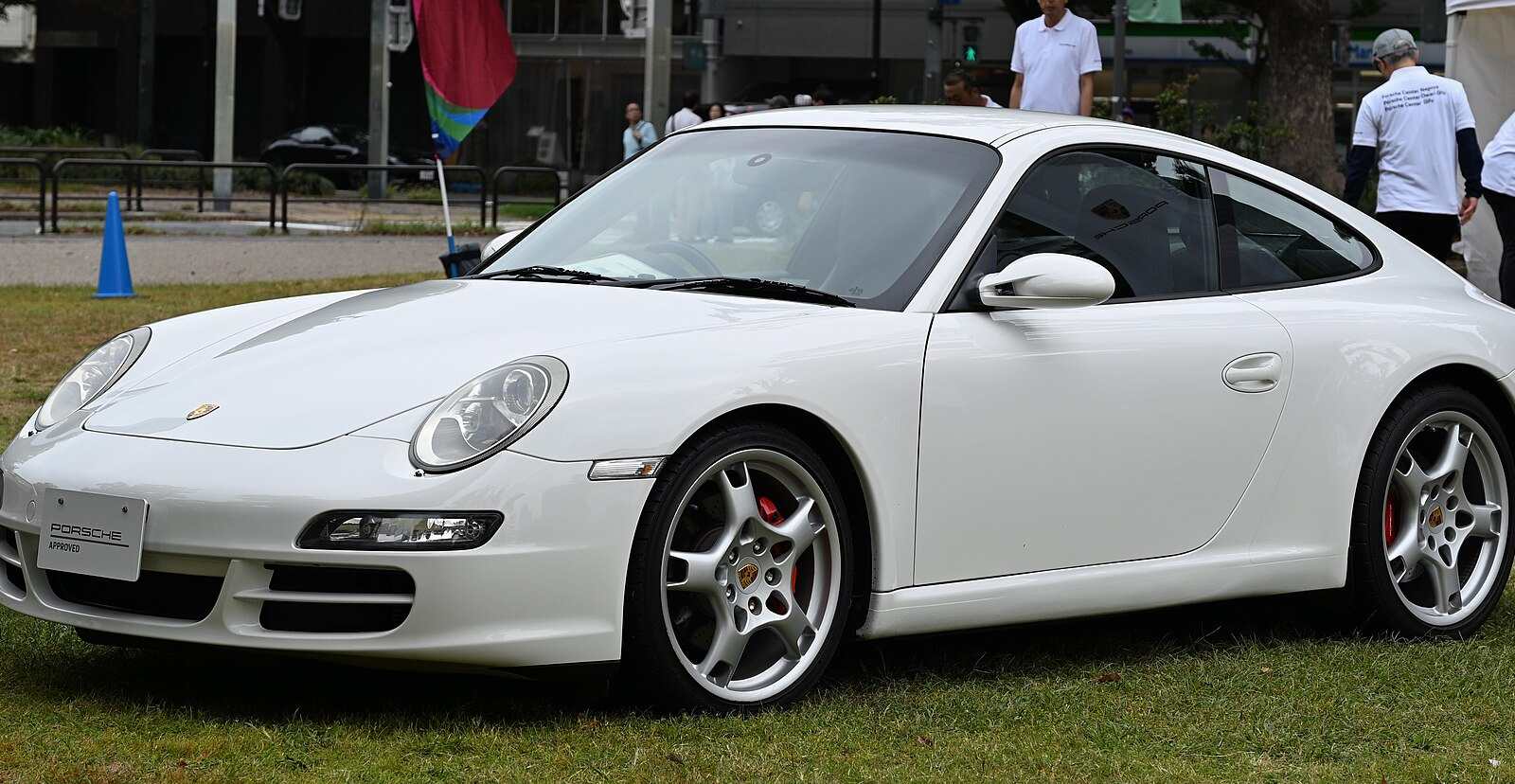

Most new Porsches leave the factory with PDK, and many owners never think about what is going on behind the engine. Here is a plain explanation of the gearbox, where it came from, and what it means if you own or are buying one.
Two gearboxes in one
PDK stands for Porsche Doppelkupplung, or Porsche dual clutch. Inside the casing, the gears are split between two sub-gearboxes, each with its own clutch. In practice one half carries the odd gears and the other the even gears.
Only one clutch is engaged at a time. While you drive in third, the gearbox can already have fourth (or second) engaged in the idle half. When the shift comes, one clutch opens as the other closes, so the drive to the wheels is barely interrupted. That is why a PDK change feels so quick and smooth compared with a conventional automatic or a manual.
From Group C to the 911
The idea is older than the cars it now sits in. Porsche began serious work on PDK at the start of the 1980s under transmission engineer Rainer Wüst, and tested it in a 944 Turbo and in the 956 racing car. In the 962 C, Hans-Joachim Stuck and Derek Bell won the Monza 360 km in 1986 with the gearbox, and the pair went on to win that year’s World Sports-Prototype Championship.
It did not reach the road then. According to Porsche, the control electronics, valves and wet clutches needed for a road car were not yet up to it. Wüst later said the team was “at least 20 years ahead of our time”. PDK finally arrived as an option on the second-generation 997 911 in 2008, with seven speeds, replacing the Tiptronic automatic. The second-generation Boxster and Cayman (987) followed from 2009, and the 992 uses an eight-speed version.
What it means for owners
- Driving: on a mountain pass, PDK lets you keep both hands on the wheel through tight hairpins and changes down cleanly on a long descent, which helps you use engine braking rather than leaning on the brakes.
- Servicing: the gearbox has its own fluid and service requirements. Follow the schedule for your car and keep the paperwork, because a buyer will ask for it.
- Buying used: check the service history, and on a test drive watch for jerky low-speed changes or warning messages. Our used 911 and Cayman buying guide covers what else to look at.
Manual or PDK?
Porsche still offers manual gearboxes on several models, and plenty of owners prefer the involvement. PDK is quicker and less tiring in traffic, and it suits long touring days. Neither is the wrong answer: drive both before you decide.
Source: Porsche Newsroom: Faster gear change, the history of the PDK.