Buying a Used Porsche 911, Cayman or Boxster: What to Check
Which model to choose, what goes wrong, and how to check a car before you hand over the money.
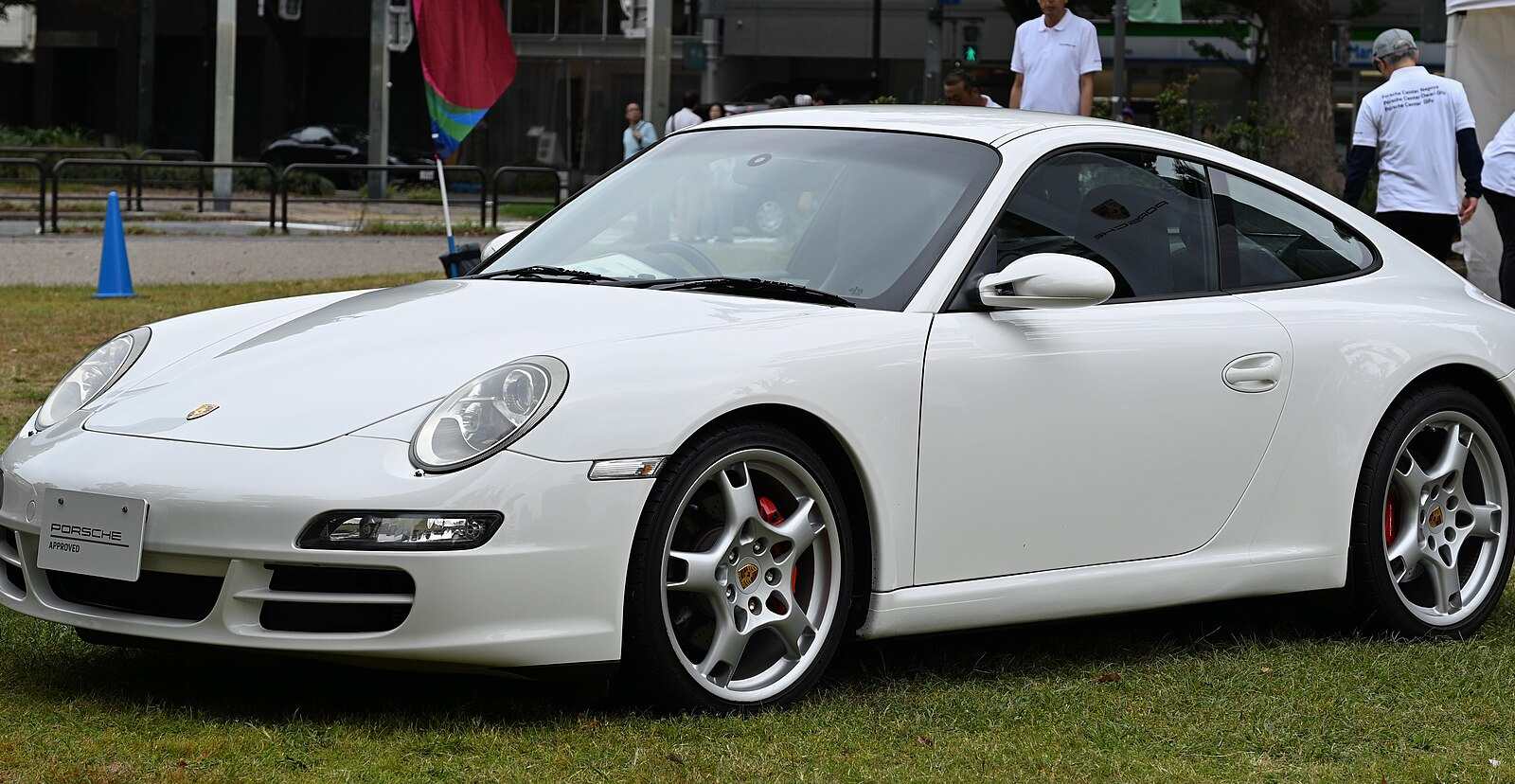

Porsche sports cars are well made, and a high proportion of all those ever built are still on the road. They are also complicated, expensive to put right and sold in a market where condition and history matter far more than age or mileage. A careful purchase is worth the effort.
Decide what you want it for
- Road trips and daily use. A 997 or 991 Carrera, or a 981 Boxster or Cayman, is comfortable, quick and practical. A Carrera 4 or Targa 4 adds security in bad weather.
- Lowest cost of entry. A 986 Boxster or a 996 Carrera. Both are much better cars than their prices suggest, provided the engine questions below have been answered.
- Track days. A Cayman of any generation is the easy choice. GT3 and GT4 models are made for it and priced accordingly.
- A classic. A 911 SC or Carrera 3.2 is usable and simple. A 964 or 993 is more modern to drive and more expensive. A 944 or 968 gives a lot of car for the money.
- Electric. A used Taycan has depreciated heavily, which makes it good value, but check the battery recall history carefully.
The model guides describe each generation and its variants.
History first
- Service record. Look for regular servicing by a Porsche dealer or a known specialist, with invoices, not just stamps. Low-mileage cars still need servicing by time: brake fluid every two years, and so on.
- Recalls. Ask a dealer to check the VIN. See the recalls guide.
- Specification. The option codes are listed on a sticker in the service book and under the bonnet on older cars, and a dealer can print the build specification for later ones. Check that the car matches.
- Over-rev report. On manual cars from the 996 onward, the engine control unit records over-revs in bands, with the engine hours at which they happened. A dealer or specialist can read it. Recent high-band over-revs from a missed downshift are a reason to walk away or negotiate.
- Accident history. Use the checks available in your country, and look for paint depth differences, uneven panel gaps and overspray.
Engine checks by family
M96 and M97: 986, 987 first generation, 996, 997 first generation (not Turbo, GT3 or GT2)
- Intermediate shaft (IMS) bearing. The bearing supporting the shaft that drives the camshafts can fail, usually with little warning, and the result is normally a destroyed engine. Failure rates vary by year and bearing type and are argued over endlessly; what matters is whether the car in front of you has had an uprated bearing fitted, with paperwork. Engines built from about 2006 have a larger bearing that fails less often but cannot be replaced without dismantling the engine.
- Bore scoring. Scuffing of the cylinder walls, most often reported on 3.4, 3.6 and 3.8 engines. Signs include one sooty tailpipe, rising oil consumption and a rhythmic ticking when warm. A borescope inspection through the spark plug holes or sump is the only way to be sure, and is worth paying for.
- Rear main seal. A weep between engine and gearbox is common and usually harmless, but note it.
Mezger engines: 996 and 997 Turbo, GT3 and GT2
Strong and sought after. Ask whether the coolant pipe fittings have been pinned or welded. Check clutch and, on GT cars, track history.
9A1 and later: second-generation 997, 987 second generation, 981, 991, 718, 992
No intermediate shaft and a much better reputation. Isolated bore scoring cases have been reported but are uncommon. Check for coolant leaks, high-pressure fuel pump replacement on early cars, and change-over valve faults. On 2014 GT3s, confirm the engine replacement carried out under recall.
Air-cooled: up to the 993
Look for oil leaks, broken head studs on SC and 3.2 engines, valve guide wear, and a leak-down test result. A top-end rebuild is a normal event in the life of these engines and is expensive.
The rest of the car
- Corrosion. Galvanised bodies resist rust well, but look at the sills, front wings and screen surrounds of air-cooled cars and at any car with accident repairs. Check 996 and 997 exhaust fixings, brake pipes and suspension arms.
- Radiators and condensers. Look through the front intakes with a torch. A mat of rotting leaves means corrosion behind it.
- Suspension. Listen for knocks from lower arms and top mounts. Check that PASM dampers are not leaking and that front axle lift works.
- PDK and Tiptronic. Should shift cleanly without flaring or thumps. PDK is generally reliable; faults can be expensive, so check for warning messages and service history.
- Clutch. A heavy pedal on a manual car suggests a worn clutch.
- Brakes. Measure the discs. Inspect ceramic discs closely for chips and wear, and price replacements before you buy.
- Roof. Operate a Cabriolet, Boxster or Targa roof several times. Check drains and carpets for damp.
- Tyres. Matching, Porsche-approved tyres of a recent date suggest a careful owner. Heavy inner-edge wear points to geometry or worn arms.
- Electrics. Try everything: air conditioning, seats, the infotainment system, parking sensors, spoiler.
Get an inspection
A pre-purchase inspection by an independent Porsche specialist is the best money you will spend. Ask for a borescope on M96 and M97 engines, an over-rev readout, a paint depth survey and a lift inspection. Porsche’s own approved used schemes include a warranty that can be extended, which has real value on complex cars.
Then go somewhere
Once it is yours, the road trip preparation guide covers the first long journey, and the trail guides suggest where to point it.