Tech ·
Cold Mornings: Why Your Porsche Waits for Its Oil, Not Its Coolant
As autumn mornings turn cold, the coolant gauge can read normal long before the oil is warm. Why it matters and how to warm up a Porsche properly.
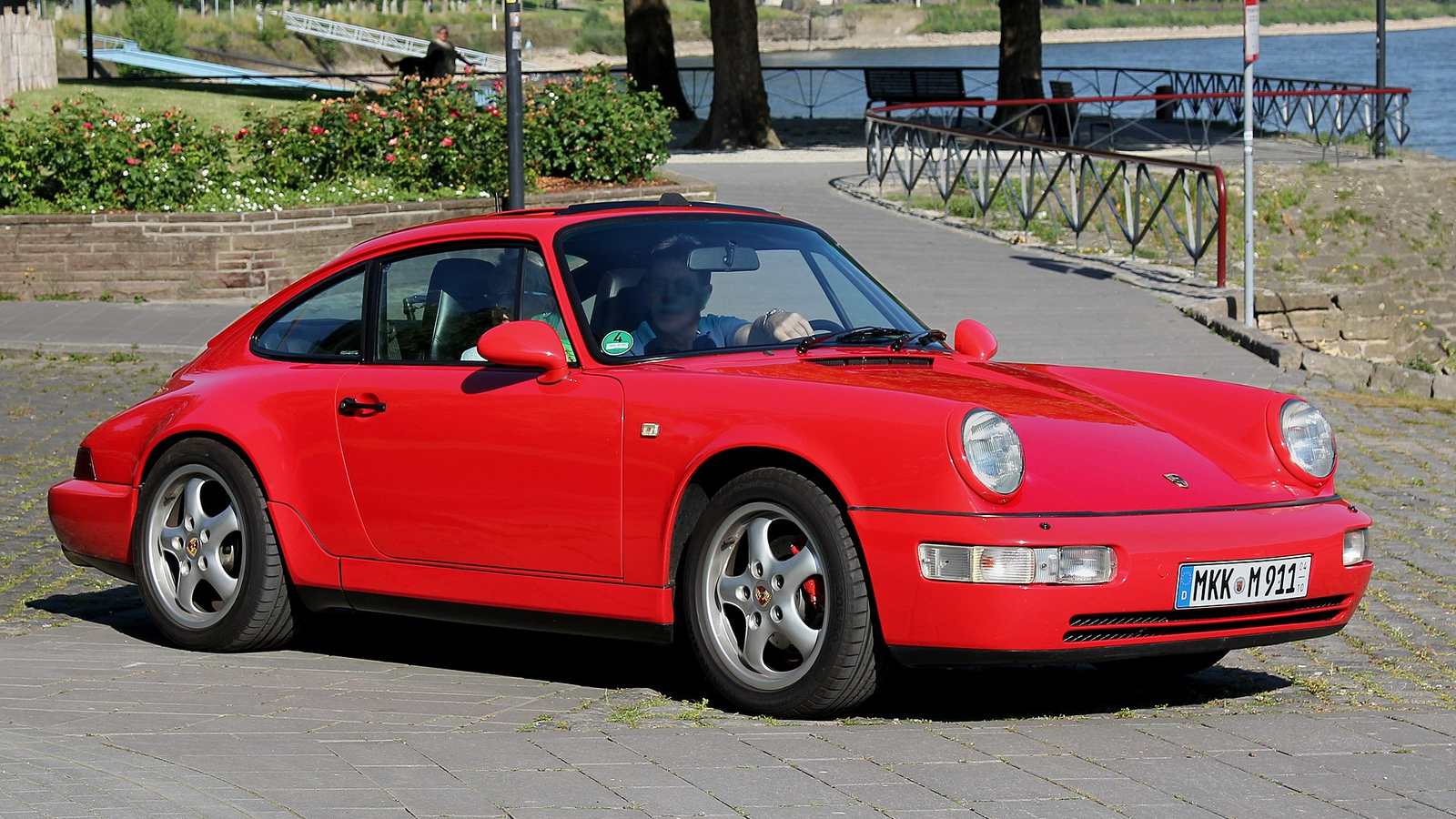

The clocks have gone back across Europe and the first frosty mornings are here. If your Porsche is still in use rather than laid up for winter, this is the time of year when how you drive the first few miles matters most.
Two temperatures, not one
Every engine has two fluids that need to warm up: the coolant (or, on an air-cooled car, the air and metal around the cylinders) and the oil. They do not warm at the same rate. On a water-cooled car the coolant warms fairly quickly, because the thermostat keeps it within the engine until it is warm. The oil picks up heat more slowly.
That matters because the coolant gauge is the one most drivers watch. When the needle settles, it is tempting to assume the engine is ready. The oil may still be well below its working temperature, and the oil is what protects the bearings, cams and cylinder walls.
Many Porsches make this easy to check. Classic and air-cooled 911s, such as the 964 and 993, have a dedicated oil temperature gauge, and most later cars can show oil temperature in the instrument cluster or on-board computer.
Why cold oil needs care
Cold oil is thicker and flows more slowly. The first number in a grade such as 0W-40 describes how the oil behaves when cold (the W stands for winter), and a low number means it flows more readily at start-up. Even so, until the oil is warm, the engine is not as well protected as it will be a few miles later. High revs and full throttle on cold oil put more load on parts that are not yet fully lubricated.
Air-cooled 911s and many GT cars use a dry-sump system with a separate oil tank, so there is a large volume of oil to heat. On those cars in particular, the oil gauge can lag the rest of the car by a long way.
How to warm up properly
- Drive, do not idle. An engine warms up faster and more evenly under light load than it does sitting on the driveway. In Germany, leaving an engine running unnecessarily while stationary is also against the road traffic rules.
- Keep the revs moderate and avoid full throttle until the oil gauge reaches its normal range.
- Let the gearbox warm too. Transmission oil, including in a PDK gearbox, also takes time to come up to temperature, and shifts can feel different when cold.
- Avoid lots of short trips. If the oil never gets fully warm, moisture and fuel from combustion can build up in it. A longer drive every so often lets it burn off.
Planning a winter trip? Our road trip preparation guide covers the checks worth doing first.