Tech ·
Cold Weather and Tyre Pressures: Why the Warning Light Comes On in Autumn
Tyre pressures fall as the air cools, so the first frosty morning often brings a pressure warning. Why it happens and how to check and set them properly.
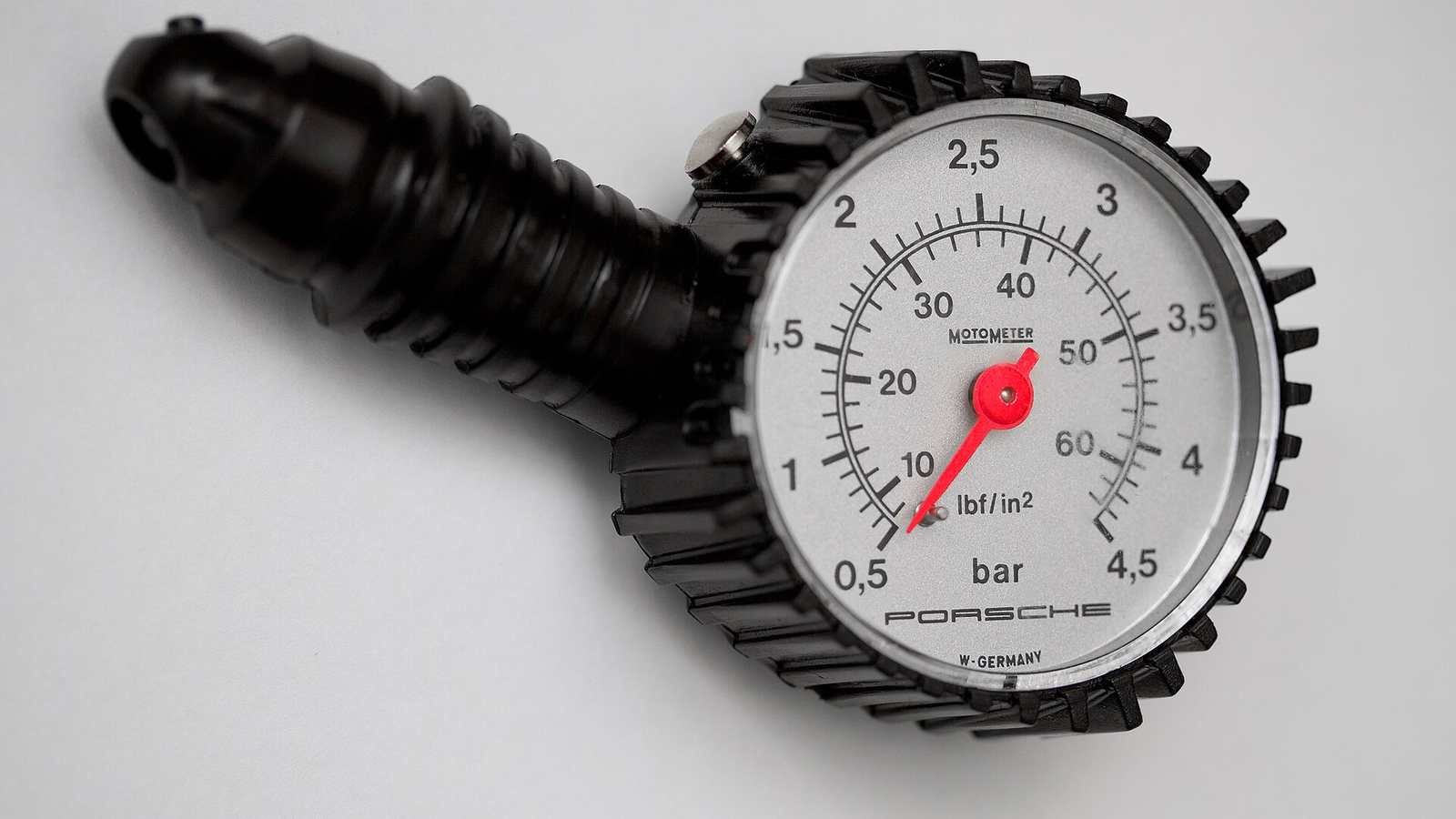

The first properly cold morning of autumn often brings a tyre pressure warning on the dash. Usually nothing is wrong with the tyres: the air inside them has simply cooled, and the pressures you set in September are no longer the pressures you have now.
Why pressures fall when it gets cold
The air in a tyre behaves much like any other gas: cool it and its pressure drops. The figure on your gauge is the pressure above the atmosphere around it, so a tyre reading 2.5 bar is really holding about 3.5 bar in absolute terms. A fall of 10 °C in air temperature lowers that absolute pressure by roughly 3 per cent, which is about 0.1 bar on the gauge. The common rule of thumb in the United States, about 1 psi for every 10 °F, works out to much the same thing.
So a car set up on a 20 °C afternoon and driven on a 2 °C morning can easily be 0.2 bar down without a puncture. Tyres also lose a little air through the rubber over the weeks, which adds to it.
What the warning means
Cars sold new in the United States since the 2008 model year, and in the EU since November 2014, must have tyre pressure monitoring. On a modern Porsche such as the 992-generation 911, the system watches each wheel and warns when a tyre drops a set amount below its target. A warning that clears once the tyres warm up means the pressures were already low, not that the system is faulty.
Do not just reset the warning and carry on. Check all four tyres with a gauge and bring them up to the correct figure. Then follow the handbook for your car if the system needs to be told about new pressures or a change between summer and winter wheels. Older cars, from the classic 911 onwards, have no monitoring at all, so the gauge is the only warning you will get.
How to check them properly
- Check cold. Measure before driving, or after the car has stood for a few hours. Pressures rise as tyres warm up, so readings taken after a run will look higher than they really are.
- Use your car’s figures. Take them from the owner’s manual or the pressure label on the car, for your exact tyre size. Winter tyres may have different figures from summer tyres.
- Mind the garage. If you set pressures in a warm garage, expect them to read lower once the car is out in the frost.
- Check more often. Once a month and before any long trip is sensible while temperatures are changing quickly.
Low pressures make the steering vague, wear the tyre shoulders and let the tyre run hotter, so five minutes with a gauge is time well spent. Our road trip preparation guide has a full checklist, and the winter tyres post covers when to make the switch.