Tech ·
The IMS Bearing Explained: What Owners of Early Water-Cooled Porsches Should Know
The intermediate shaft bearing is the best known fault of the 996, 986 and early 997. What it does, which engines have it, and what can be done.
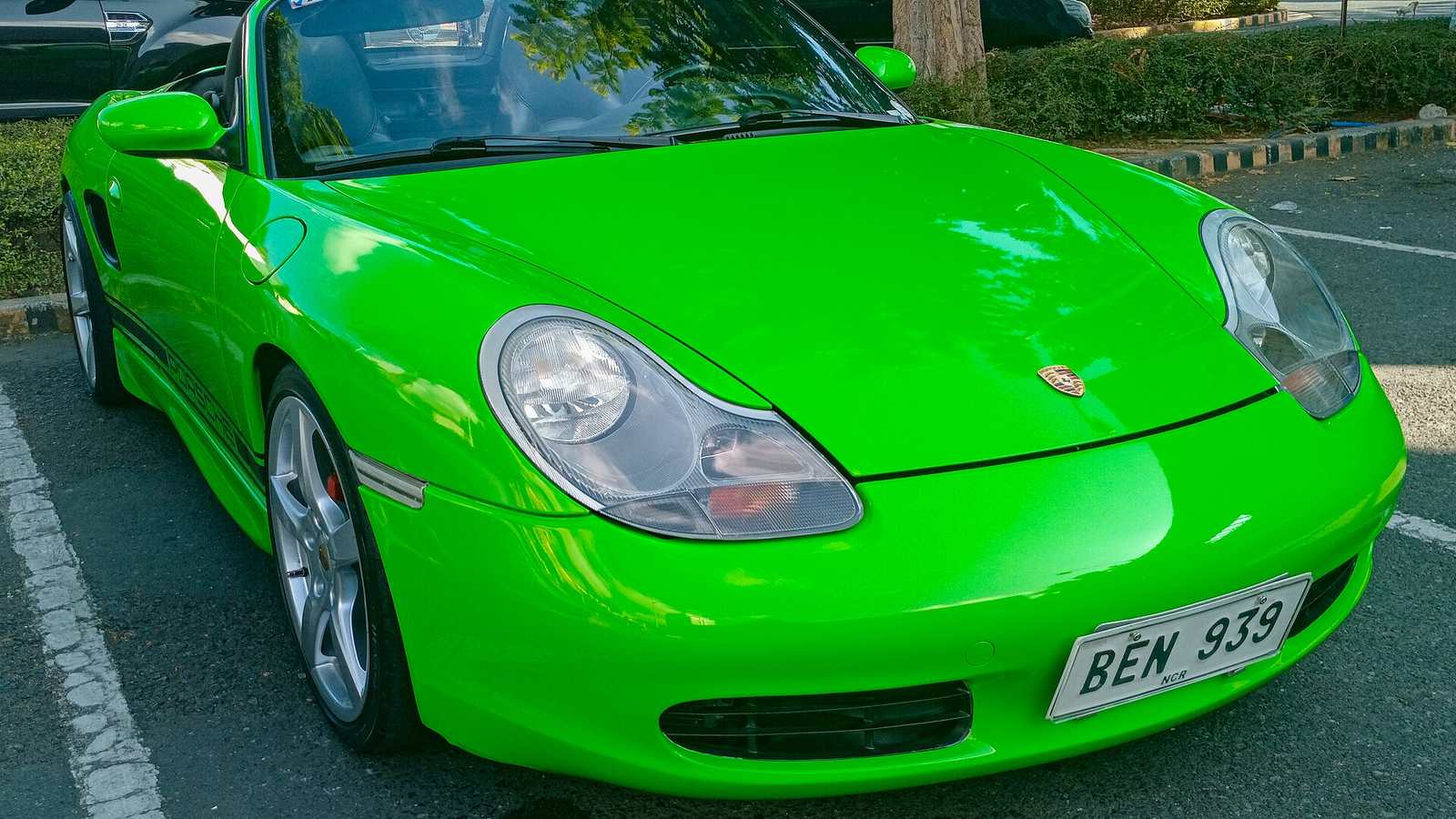

Ask about buying an early water-cooled Porsche and the first three letters you will hear are IMS. With many cars coming off the road for winter, it is a good time to understand what the intermediate shaft bearing is and what your options are.
What the intermediate shaft does
The M96 and M97 flat-six engines in the 996 Carrera, the 986 Boxster and first-generation 987 Boxster and Cayman and the first 997 Carrera do not drive their camshafts straight from the crankshaft. The crankshaft turns an intermediate shaft running underneath it, and that shaft drives the timing chains to the camshafts on each bank.
The end of the shaft nearest the flywheel and gearbox is supported by a sealed ball bearing. That bearing is the IMS bearing. Because it is sealed, it relies on its own grease rather than a steady supply of engine oil. If it wears and fails, the shaft can move, the timing goes out and the valves can meet the pistons. The usual outcome is a rebuilt or replaced engine.
Which engines have which bearing
Porsche changed the bearing twice, and the changeover years overlap, so the only certain way to know what a particular car has is to look.
- Early engines, to about 2000 or 2001: a dual-row bearing, generally regarded as the more durable of the original designs.
- About 2000 or 2001 to 2005: a smaller single-row bearing. This is the type most associated with failures, and the one covered by a class action settlement in the United States for certain 2001 to 2005 model year cars. It was not a safety recall.
- About 2006 to 2008: a larger single-row bearing. It fails less often, but it cannot be replaced without dismantling the engine.
The Mezger engines in the 996 and 997 Turbo, GT2 and GT3 use a different design and are not affected. From the 2009 model year, the new direct-injection engines in the 997 and 987 have no intermediate shaft at all.
What owners can do
Several aftermarket kits replace the original bearing with an uprated ball bearing fed by engine oil, or with a pressure-fed plain bearing. Fitting one means removing the gearbox and clutch, so most owners do it when the clutch is due and replace the rear main seal at the same time. These kits apply to the earlier bearings; the large 2006 to 2008 bearing is a different case.
Between services, many specialists cut open the oil filter at each change and look for metallic debris, which is often the first sign of trouble. It is not a guarantee, as some bearings fail with little warning.
Buying with this in mind
If you are shopping for one of these cars, ask whether an uprated bearing has been fitted and when, and ask for the invoice. Our used 911 and Cayman buying guide covers the IMS bearing alongside bore scoring and the other checks worth making, and the recalls and known issues guide separates genuine recalls from known faults.